The Facts Changed After Checkout: Reconfirm the Filing Scope Before Preparation Continues
· 6 min read
The answer for this situation
Checkout is not a freeze on the company's later facts. An owner can accurately describe a simple filing situation and then discover a prior election, add another owner or receive new transaction information before the return is prepared. The useful response is a change-to-intake addendum, not silence and not an assumption that payment guarantees eligibility. The addendum records what the original answer said, what changed or was discovered and which preparation question it affects. It lets the provider assess the current facts without pretending that every new detail is an automatic rejection or that every initial answer remains correct indefinitely.[1, p.2] [2, p.5]
Which facts change the answer?
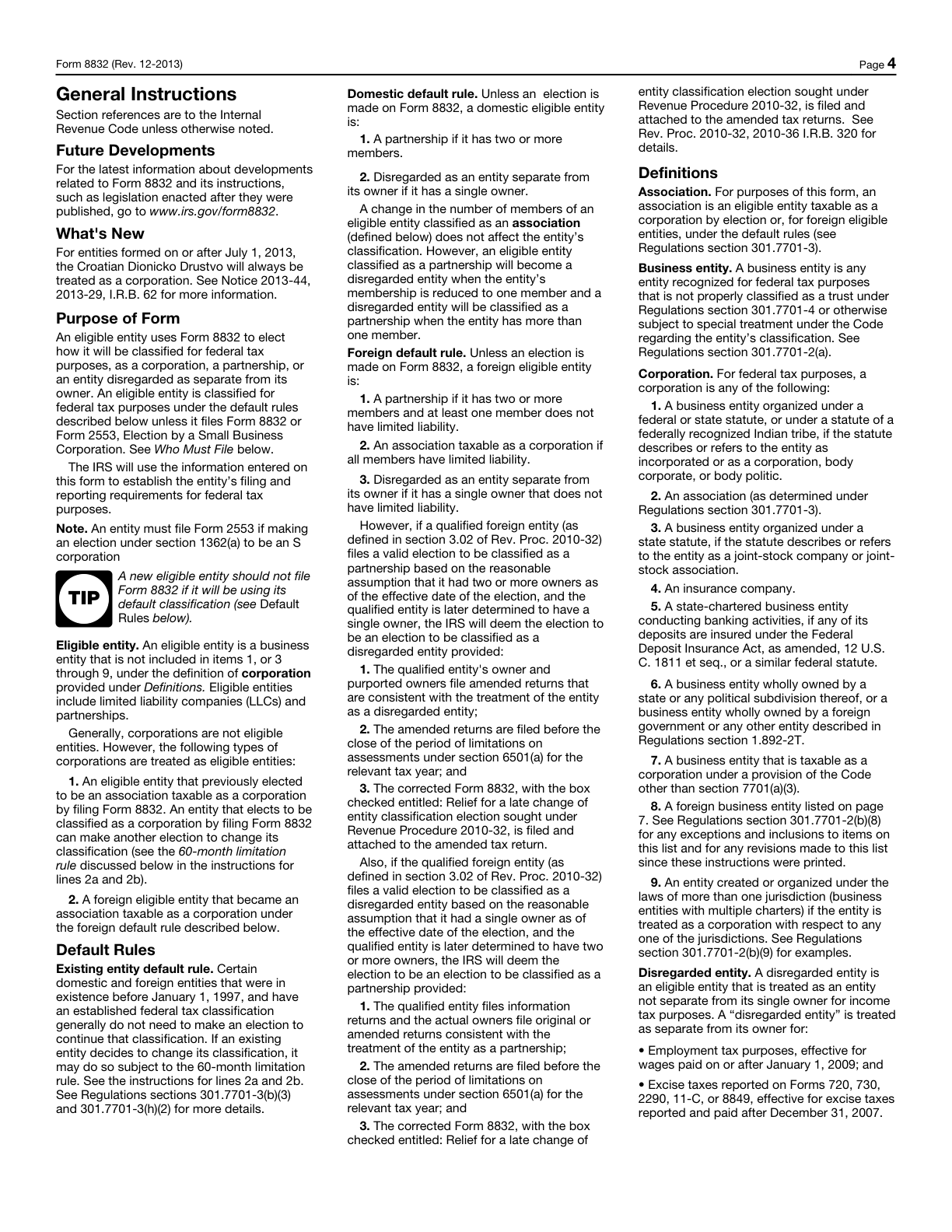
The simplified annual package depends on the stated U.S.-formed single-member disregarded-entity and nonresident-individual-owner situation. Classification history and actual related-party transactions can matter to that assessment. Default domestic rules distinguish a single owner from multiple owners, while an election and its effective period require separate consideration. Do not resolve a change merely by renaming it in the intake form. The document requested here is an editorial organization aid, not a government amendment form or an official eligibility determination. It also does not create a refund, upgrade or additional-service promise; those commercial questions must be handled under the actual agreed service terms.[1, p.2] [2, p.5]
The official requirements, compared
| Question or field | Official instruction | Conditions and limits | Source |
|---|---|---|---|
| Foreign owned us de definition | A foreign-owned U.S. disregarded entity is a domestic disregarded entity wholly owned by a foreign person. Its treatment as a corporation for these purposes is limited to the reporting requirements related to section 6038A. | — | [1, p.2] |
| Domestic default | Without an election, a domestic eligible entity with two or more members generally defaults to a partnership; one with a single owner generally defaults to a disregarded entity. | — | [2, p.5] |
| Reportable transaction trigger | A reporting corporation generally files Form 5472 when it has a reportable transaction with a foreign or U.S. related party during the tax year. Operating revenue alone does not determine the filing requirement. | — | [1, p.2] |
| Effective window | An ordinary Form 8832 effective date generally cannot precede filing by more than 75 days or follow filing by more than 12 months. Late-election relief is a separate exception requiring its own review. | An ordinary Form 8832 election. Late-election relief for applicants meeting its conditions. | [2, p.6] |
| Separate related party form | Prepare a separate Form 5472 for each foreign or U.S. related party with which the reporting corporation had reportable transactions. Item 1g is the total number of Forms 5472 for that tax year. | — | [1, p.3] |
| Records sufficiency | Keep permanent books and records sufficient to establish the correctness of the federal return and the treatment of related-party transactions, together with the detailed requirements of Regulations section 1.6038A-3. | — | [1, p.3] |
Read the requirements in context
Part5 other de transactions
A foreign-owned U.S. DE checks Part V and attaches a description for other specified transactions not reported in Part IV, including receipts and payments connected with formation, dissolution, acquisition, disposition, contributions and distributions.[1, p.6]
When this applies: Foreign-owned U.S. disregarded entity. The relevant transactions have not been reported in Part IV.
De tax year
A foreign-owned U.S. DE uses the tax year its owner uses for U.S. tax filing. If the owner does not have such a tax year, the DE uses a calendar year.[1, p.2]
A worked preparation example
This example is hypothetical; it shows how to organize the facts, not an agency decision.
Consider a hypothetical owner, Lucas, who ordered a supported annual preparation task while believing his LLC had always kept default treatment. Before submitting the remaining records, he receives an old election file from a previous adviser. He does not delete it because it complicates the paid task. Lucas creates an addendum identifying the original answer, the new document, the period it may concern and the question needing review. The preparer can then distinguish a newly discovered historical fact from a choice Lucas is making now. In another section, he records any transaction data that was omitted from the first schedule, without guessing its final reporting treatment. If an ownership change also occurred, the actual date and records are made visible instead of continuing to label the company single-owner without qualification. The project pauses the affected eligibility question while the appropriate review occurs. The example does not decide whether Lucas qualifies for a particular service or what return he must file. It shows how to prevent the order description from becoming a reason to ignore a material record. The result is a clear, dated update that the provider and owner can discuss as the basis for the next work step.[1, p.2] [2, p.5]
Turn the records into a usable filing plan
Disclose changed or newly discovered facts before the affected preparation advances. Attach the source and explain what is certain and what is still being checked. Keep the original intake and the addendum connected so that a later reviewer understands why an answer changed. Ask SpeedEIN to confirm how the actual facts fit the stated scope instead of assuming that a filled checkout form establishes legal eligibility. Separate any substantive adviser question from administrative collection of the records. When the scope is clarified, record the agreed next action and the data supporting it. A transparent correction helps the work follow reality without inventing a guarantee that every situation can be accommodated by the original package.[1, p.2] [2, p.5]
Three checks before you proceed
- Which original answer is affected by the new fact or newly found document?
- Is the effective date or reporting period supported rather than guessed?
- Has the provider reconfirmed the actual scope without treating payment as a permanent eligibility ruling?
Related preparation guides
- No IRS Reminder Arrived: Determine the Filing Question From the LLC's Facts
- Personal and LLC Transactions Share a Statement: Build a Reviewable Separation Ledger
- Before Preparing Form 5472: Confirm U.S. Formation, Foreign Ownership, and DE Status
Official sources and document versions
Official source versions checked: 2026-11-10
- Instructions for Form 5472 (Rev. December 2024) — Rev. December 2024
- Form 8832 (Rev. December 2013) — Rev. December 2013
Get help with the relevant SpeedEIN service
SpeedEIN provides preparation and support within the scope described on its service pages. Review the supported entity types, required information and current service scope before ordering. IRS decisions, processing and any applicable filing or payment obligations remain governed by the official rules.